
Crop Insurance in Georgia
What we insure in Georgia
Pecans, blueberries, and peaches, plus wheat and row crops alongside, and Whole-Farm Revenue Protection for diversified operations across the Southeast.
And if you grow something we have not listed, that is not a dead end. Between federal programs and written agreements, if you grow it, we can insure it.
The coverage, explained
Federal crop insurance (MPCI)
The backbone: federally backed multi-peril coverage for your crop, your county, your practice. One policy protects against the weather, the market, and everything in between.
Hover to read
Revenue vs Yield Protection
Yield Protection pays when you harvest less than your guarantee. Revenue Protection also steps in when prices fall. They sound alike and behave very differently — here is how to choose.
Hover to read
Whole-Farm Revenue Protection
One policy covering the revenue of your whole operation rather than crop by crop, built for diversified farms.
Hover to read
Written agreements
Growing a crop that is not listed for your county? We write the agreements that get uninsurable acres covered.
Hover to read
New to all of it? Start with Crop Insurance 101, our plain-language guides.
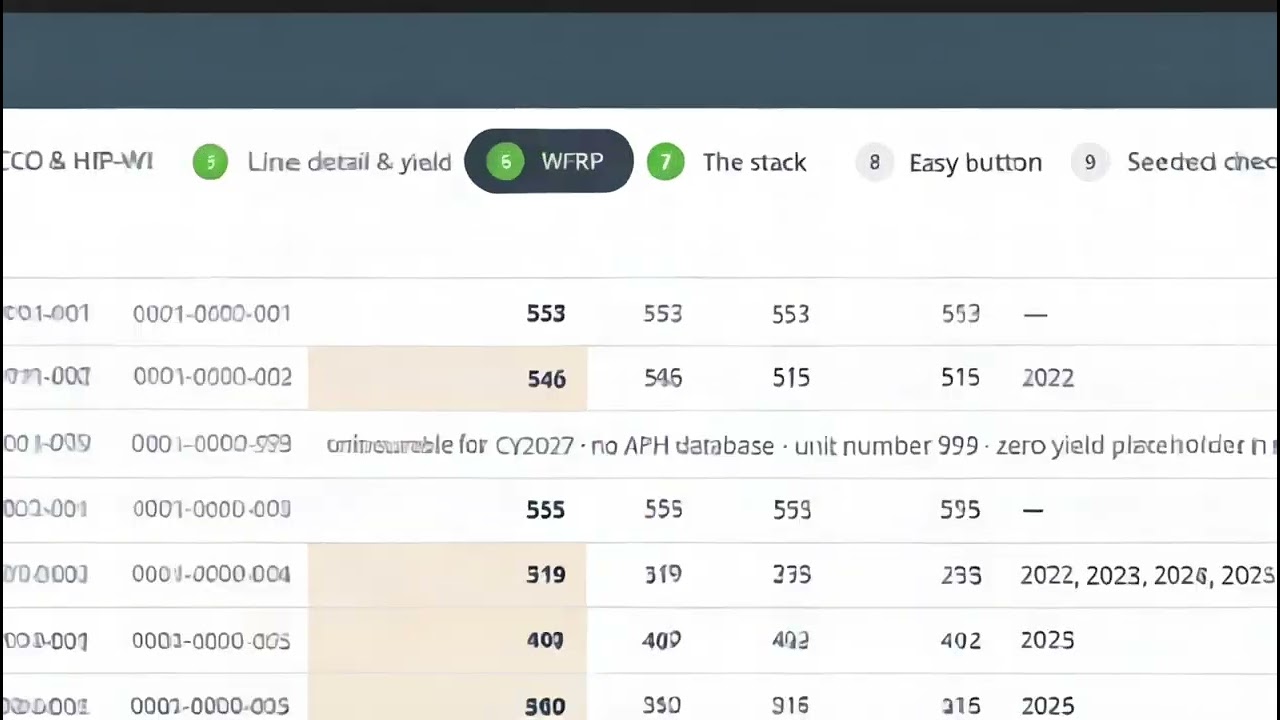
So how do you choose?
Thousands of combinations. One button.
Base plans, options, unit structures, endorsements, Whole-Farm. Thousands of ways to build a policy, and one of the biggest financial decisions of your year rides on getting it right. Here is how we solve it.
Your Georgia team

Kayla Huffmaster
Reynolds

Erica Cannon
Moultrie
Explore our crop fact sheets
Deadlines, coverage options, and what to ask your agent, crop by crop.
Crop fact sheet
Pecans — Georgia, 2027
One page on the only standalone federal policy written on pecans. What qualifies, what it covers, what you pay — and the two things Georgia allows that the federal rules don’t.
A price collapse is a covered claim
Acreage report due April 15
Paid $7.56 per premium dollar in 2018
↓ Download the Pecan Fact Sheet
PDF · 1 page · 770 KB · Updated for the 2027 crop year
Worth reading
What do federal disaster programs cover that insurance does not? We sat down with Georgia FSA State Executive Director Duncan Johnson Jr. Here is what he wants growers to know.
Revenue Protection or Yield Protection for my operation? Here is how to choose.
Talk to an agent
No call centers. You get an agent who knows your crop and your county. Call (512) 222-6978 or reach out here.