
Crop Insurance in California
What we insure in California
Citrus is where we live: oranges, mandarins, lemons, tangelos, and grapefruit. Around the groves, we insure wine and table grapes, peaches, nectarines, and plums, kiwifruit, almonds, walnuts, pistachios, olives, blueberries, and the row crops that round out an operation.
And if you grow something we have not listed, that is not a dead end. Between federal programs and written agreements, if you grow it, we can insure it.
The coverage, explained
Federal crop insurance (MPCI)
The backbone. Federally backed multi-peril coverage for your crop, your county and your practice, at 50% to 85% of your approved yield.
Revenue Protection vs Yield Protection
Yield Protection pays when the crop comes up short. Revenue Protection also steps in when the price falls. Here is how to choose.
How you divide your units
Basic, optional or enterprise. Insure all your acreage in a county as one enterprise unit and the subsidy rises to 80% at every level through 75% — at the top rung your share of the premium falls from 40% to 20%. The trade is one combined guarantee.
Catastrophic cover (CAT)
The floor: 50% of your approved yield at 55% of the price election. The premium is fully subsidised and you pay a $655 administrative fee per crop, per county. It is not written on every crop — California cherries have no CAT at all.
Supplemental and Enhanced Coverage
SCO lifts your guarantee to 86%. ECO carries it to 95%. Both pay on county results rather than your own yield, and both are 80% subsidised. Written on California almonds, walnuts, apples and grapes.
Smoke cover (FIP-SI)
Fire Insurance Protection – Smoke Index pays on days of heavy smoke recorded over your county, not on your fruit. Written in all 32 California grape counties, June 1 to November 10, and 80% subsidised.
Tree and vine insurance
Your crop policy replaces the fruit. This replaces the trees and vines themselves. California writes it on orange, lemon, grapefruit, tangelo and mandarin trees in 15 counties each, and on grapevine in 35 — more counties than the grape crop itself.
Whole-Farm Revenue Protection
One policy covering the revenue of an entire operation. Built for diversified farms growing more than the actuarial table accounts for.
Written agreements
For acres and crops your county table does not list, a written agreement can still get you covered. Here is how they work.
New to all this? Crop Insurance 101 walks through it in plain language.
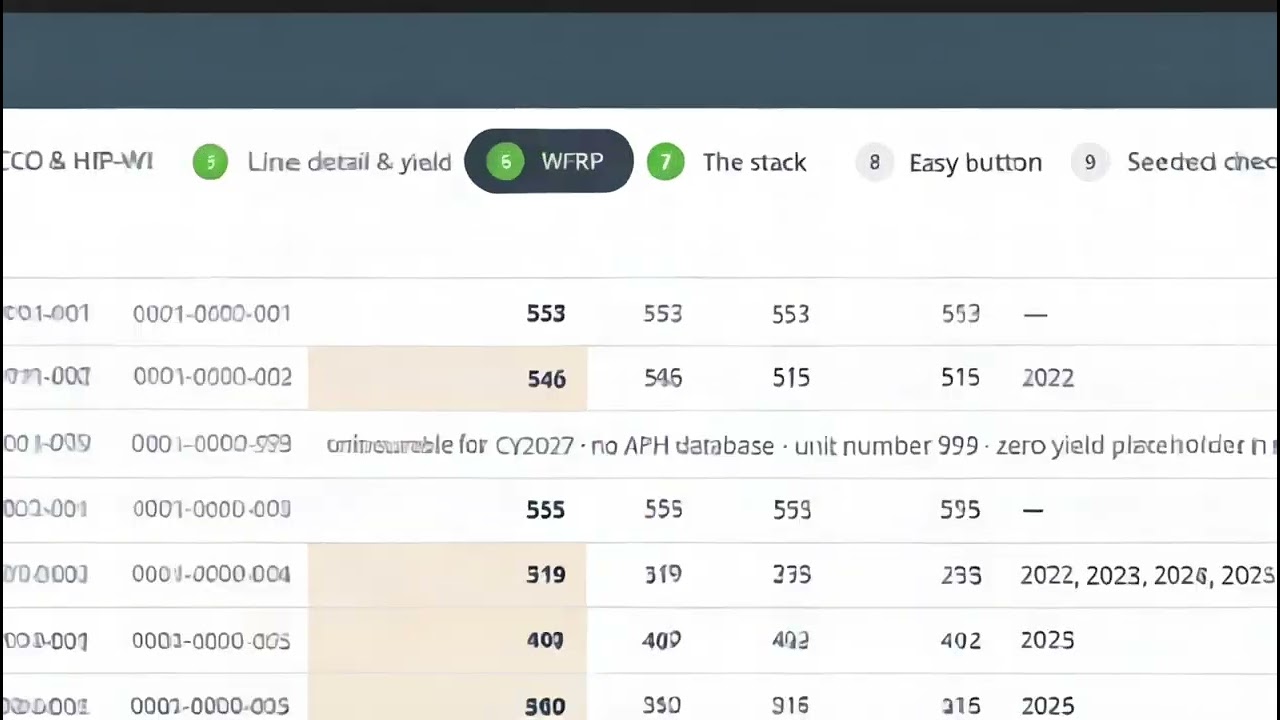
So how do you choose?
Thousands of combinations. One button.
Base plans, options, unit structures, endorsements, Whole-Farm. Thousands of ways to build a policy, and one of the biggest financial decisions of your year rides on getting it right. Here is how we solve it.
Your California team

Jimmy Smith
Visalia

Jenn Rascon
Exeter
You will find us at California Citrus Mutual events and in the groves we insure.
Explore our crop fact sheets
Deadlines, coverage options, and what to ask your agent, crop by crop. Every figure is drawn from USDA RMA’s actuarial filing and nine years of Summary of Business data.
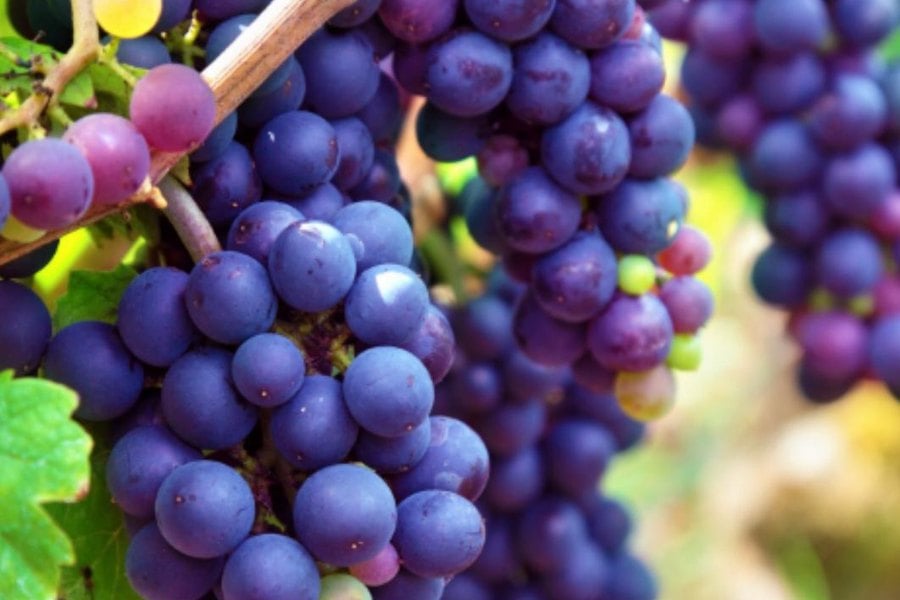 2027 crop yearWine Grapes↓ Download the sheet
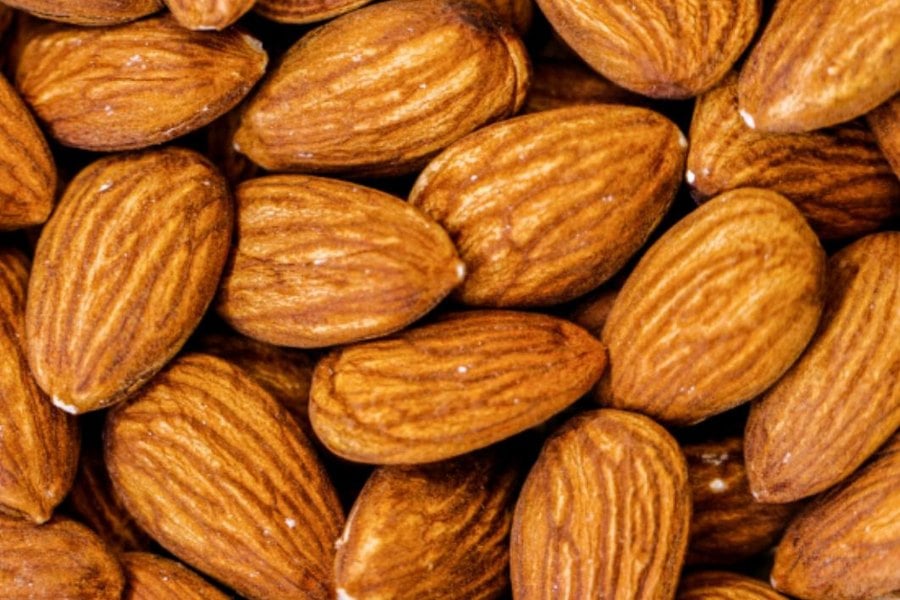 2027 crop yearAlmonds↓ Download the sheet
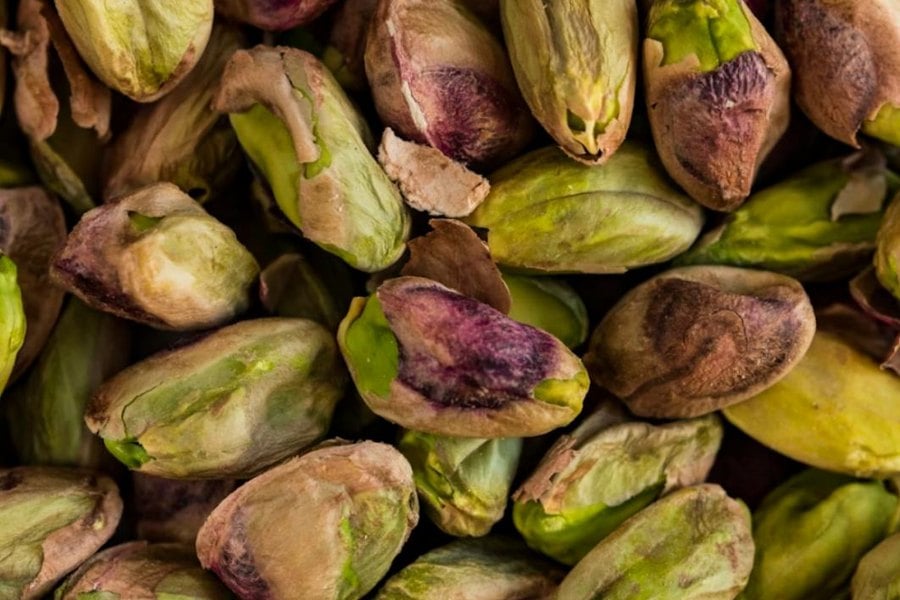 2027 crop yearPistachios↓ Download the sheet
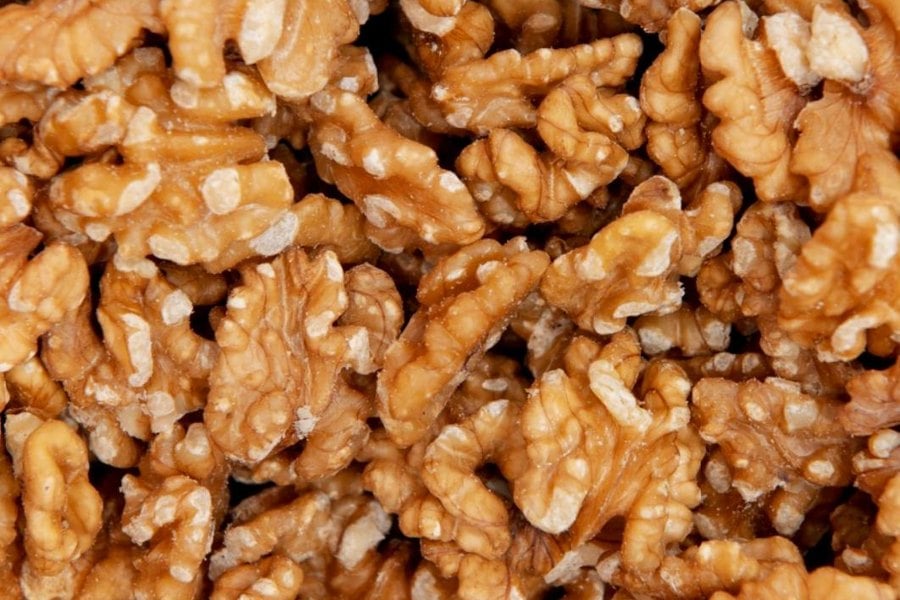 2027 crop yearWalnuts↓ Download the sheet
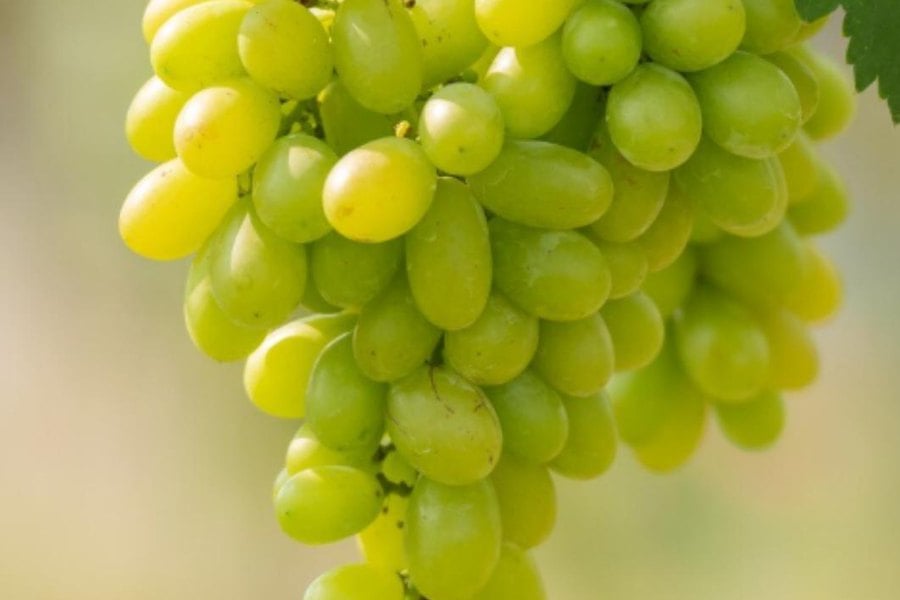 2027 crop yearTable Grapes↓ Download the sheet
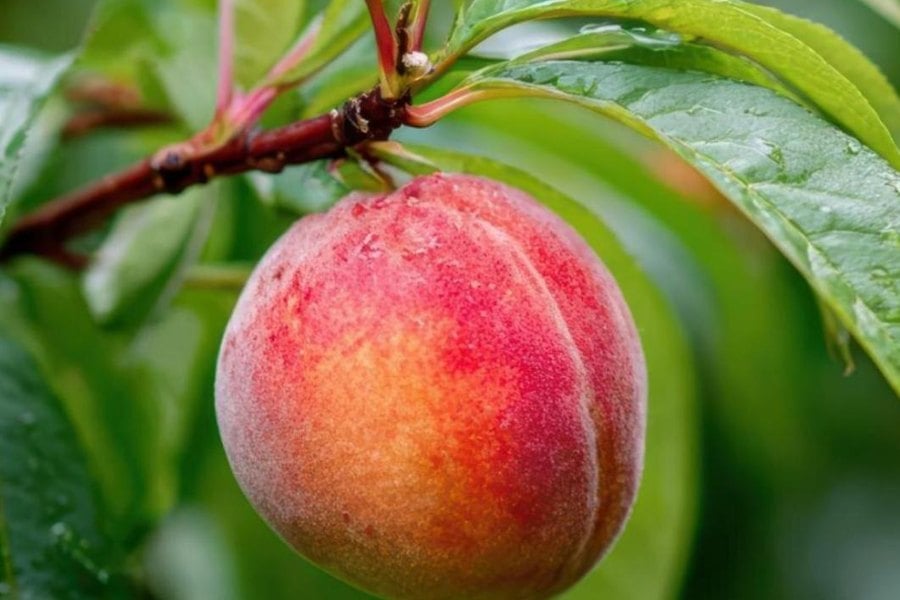 2027 crop yearStone Fruit↓ Download the sheet
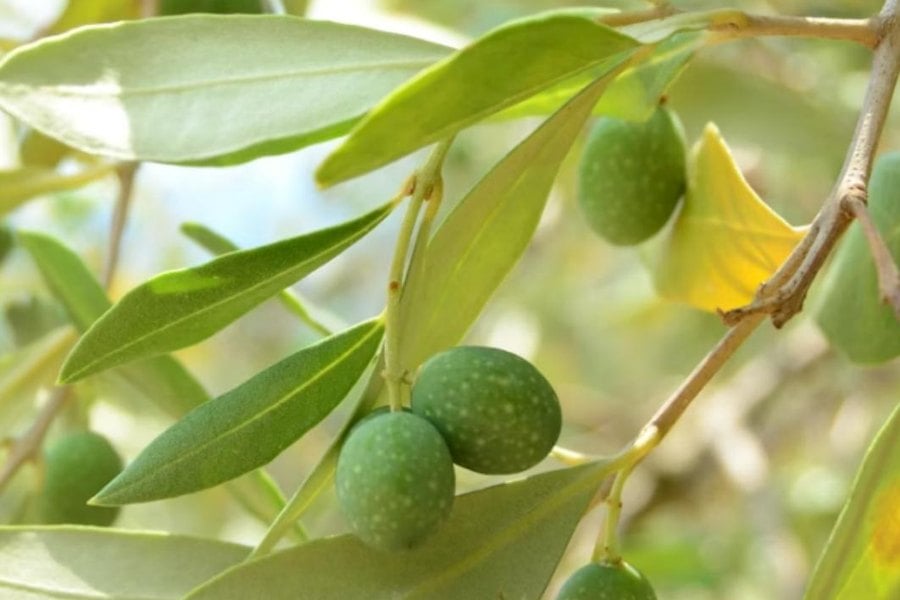 2027 crop yearOlives↓ Download the sheet
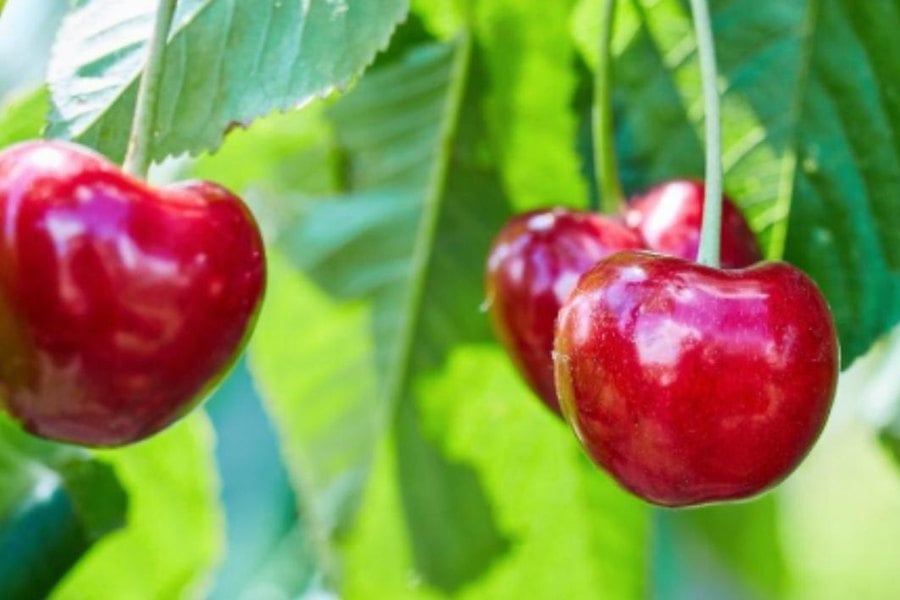 2027 crop yearCherries↓ Download the sheet
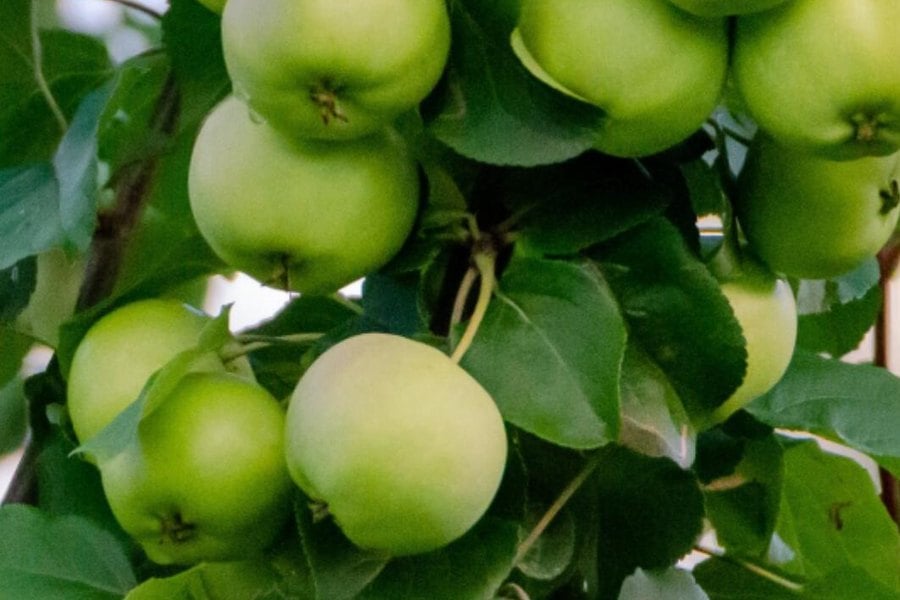 2027 crop yearApples↓ Download the sheet
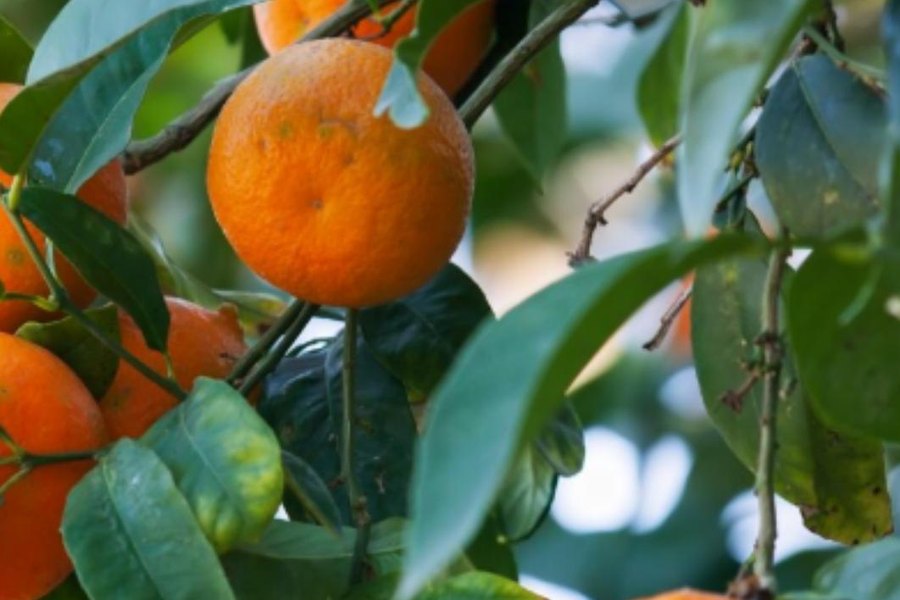 2028 crop yearCitrus↓ Download the sheet
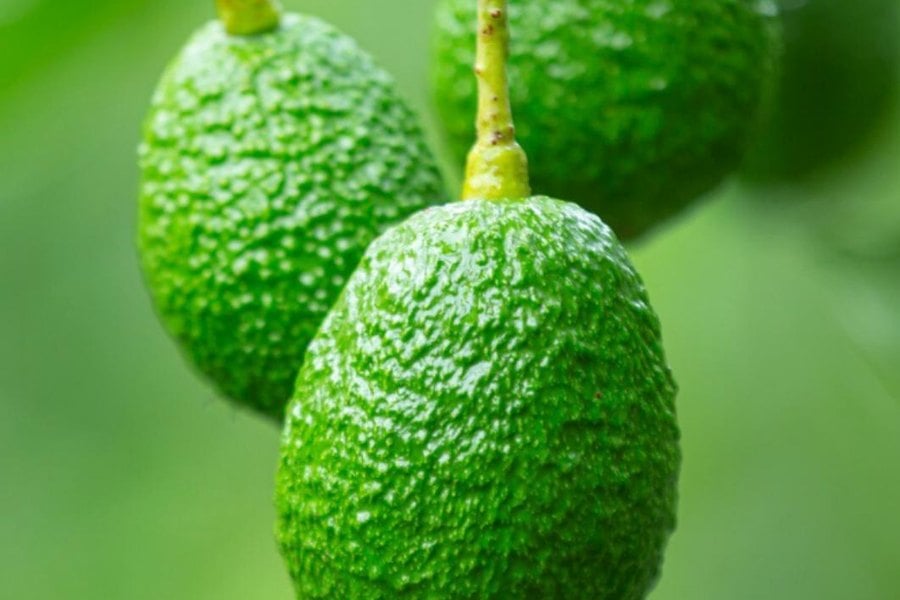 2028 crop yearAvocados↓ Download the sheet
Common California questions
Does crop insurance cover smoke damage to wine grapes? Yes, and the first 72 hours matter most. Here is what to do.
Revenue Protection or Yield Protection for my operation? Here is how to choose.
Talk to an agent
No call centers. You get an agent who knows your crop and your county. Call (512) 222-6978 or reach out here.